
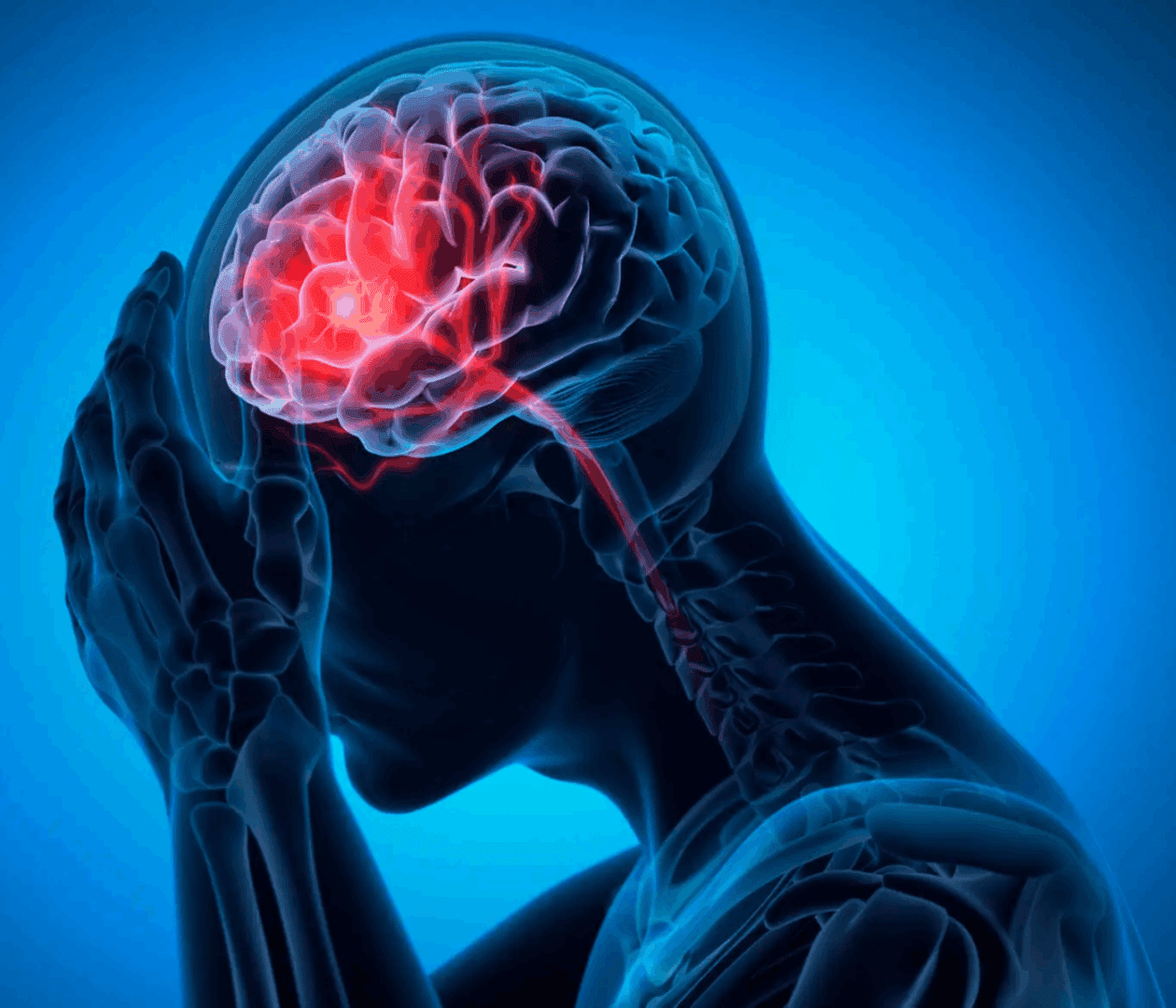
Trauma can become trapped in the body when overwhelming experiences are not fully processed by the brain and nervous system. During traumatic events, the body's fight, flight, or freeze responses are activated to ensure survival, but if the threat is too intense or prolonged, these responses can become stuck. This can leave the body in a state of chronic stress or hyperarousal, with unresolved energy manifesting as muscle tension, pain, fatigue, or other physical symptoms. The nervous system may remain on high alert long after the danger has passed, and memories of the trauma may become stored in the body as implicit, nonverbal cues rather than conscious thoughts. This mind-body disconnect means that talk therapy alone might not always be sufficient—somatic therapies, such as Somatic Experiencing and DARe, that engage the body are often necessary to release this stored trauma and restore a sense of safety and regulation.
The slow release of trauma through somatic treatments involves gently guiding the body and nervous system toward safety and regulation, allowing deeply held tension and unprocessed emotions to emerge and resolve at a manageable pace. Unlike cognitive therapies that focus on verbal processing, somatic approaches—such as Somatic Experiencing—engage the body directly, helping individuals tune into physical sensations, movements, and internal rhythms. These methods support the gradual discharge of trapped survival energy and restore the body’s natural capacity to self-regulate. This process often unfolds slowly because the nervous system needs time to rebuild trust and shift out of chronic states of defense like hypervigilance or numbness. By respecting the body’s pace and using grounding, breathwork, and gentle movement, somatic treatments help create new neural pathways associated with safety and presence, allowing trauma to be released without re-traumatization.

Psychedelic support information
Psychedelic preparation sessions are a crucial part of the therapeutic process for individuals planning to engage in psychedelic-assisted therapy. These sessions focus on building trust between the client and facilitator, setting intentions, and preparing the mind and body for the journey ahead. Clients are guided to explore their motivations, clarify goals, and identify any fears or emotional blocks that may arise during the experience. Education about the specific psychedelic, its effects, and the therapeutic process helps reduce anxiety and create a sense of safety. Preparation may also include mindfulness practices, grounding techniques, and discussions about setting and support plans. This foundation supports a more meaningful and manageable experience, increasing the likelihood of insight, healing, and long-term growth.
Psychedelic integration is the process of making sense of and incorporating insights, emotions, and experiences that arise during a psychedelic journey into everyday life. After such profound or intense sessions, individuals often need support to understand what surfaced—whether it be repressed memories, spiritual realizations, or emotional breakthroughs. Integration work can involve talk therapy, journaling, creative expression, somatic practices, or mindfulness to help ground and contextualize the experience. The goal is not only to process the material but also to translate it into meaningful change—such as healthier relationships, emotional healing, or new life directions. Without integration, even powerful psychedelic experiences may fade or feel disjointed; with it, the therapeutic potential of the experience can be fully realized and sustained.
Ketamine sessions
Ketamine-assisted treatment sessions offer a unique and promising approach to healing, particularly for individuals struggling with depression, trauma, anxiety, and chronic emotional pain. In these sessions, ketamine—a dissociative anesthetic with fast-acting antidepressant properties—is used in a carefully monitored therapeutic setting to facilitate altered states of consciousness that can unlock deeper emotional insight and healing. Guided by a trained practitioner, clients are supported before, during, and after the experience through preparation and integration work that helps make sense of the material that arises. During the session, ketamine may allow individuals to access memories, emotions, or perspectives that are typically out of reach, often with reduced fear or defensiveness. The combination of the medicine’s neuroplastic effects and the safety of a therapeutic relationship creates a powerful environment for transformation, helping clients process unresolved trauma, shift ingrained patterns, and reconnect with a greater sense of meaning and self-awareness.