7 Myths About Sound Healing Debunked
Introduction
Sound healing is gaining attention as a therapeutic approach, yet myths and misconceptions continue to cloud its legitimacy. Many hesitate to explore its benefits due to skepticism or outdated beliefs. This blog addresses seven common myths about sound healing, presenting research-backed insights and practical examples. If you are curious whether sound therapy can aid emotional well-being or trauma recovery, read on for a clear, evidence-based perspective.
Myth One: Sound Healing Is Just Relaxation
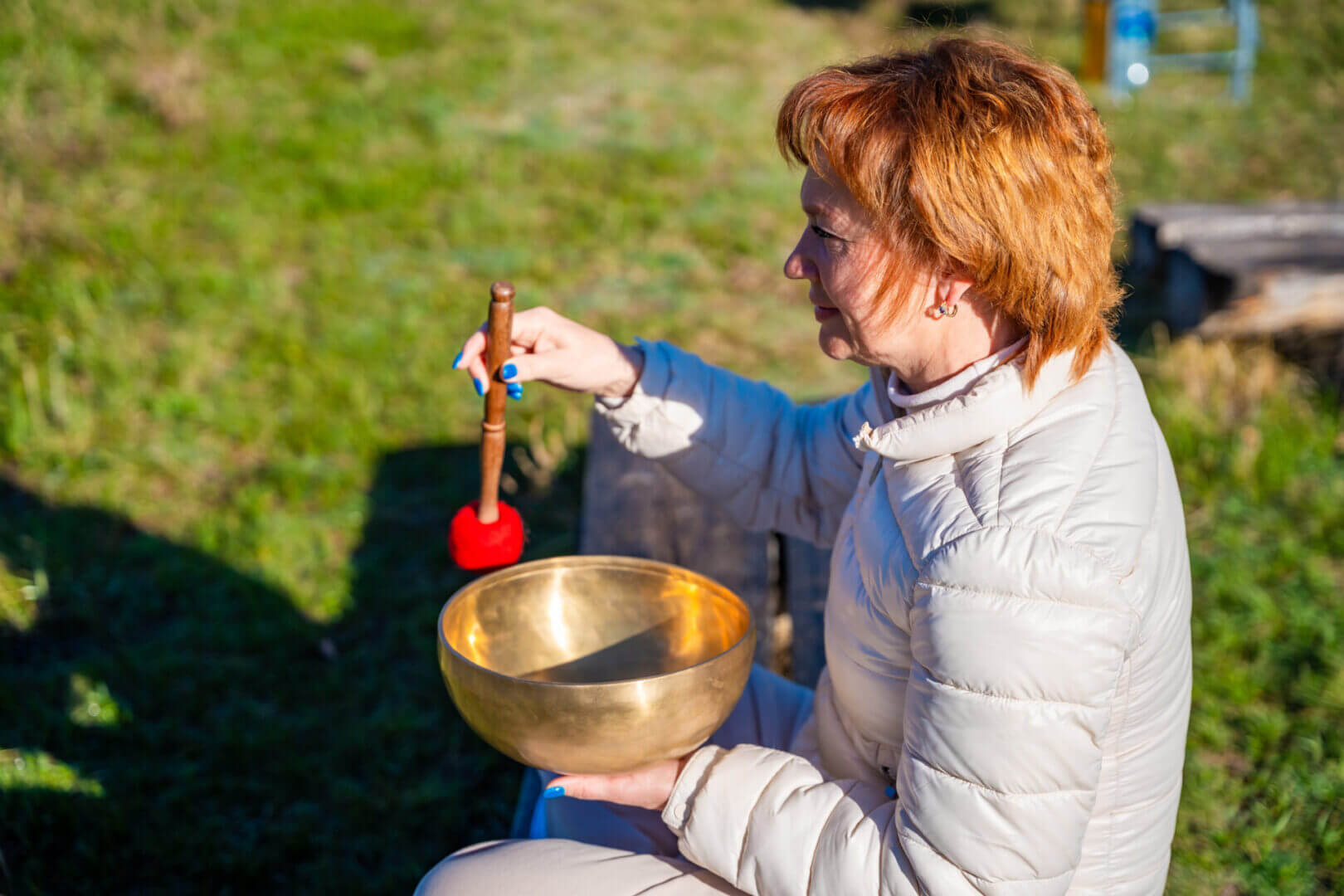
Sound healing extends far beyond relaxation. While sessions with gongs and crystal bowls can be soothing, the benefits are rooted in neuroscience. Low-frequency vibrations entrain brain rhythms into theta states, calm the amygdala, and re-engage the prefrontal cortex, all crucial for trauma processing. Somatic therapy uses resonant sound as a bottom-up approach, helping the vagus nerve shift from fight-or-flight to social engagement.
A 2025 meta-analysis of 42 trials found that structured sound baths reduced cortisol by up to 21% within 30 minutes, outperforming silent meditation for individuals with attachment injuries. For those who feel blocked by talk therapy, vibrational therapy offers a tactile pathway to release tension without verbal disclosure. At Sound Arts Healing, trauma-informed protocols ensure frequencies are chosen to support each client’s needs.
Myth Two: All Sound Therapies Are the Same
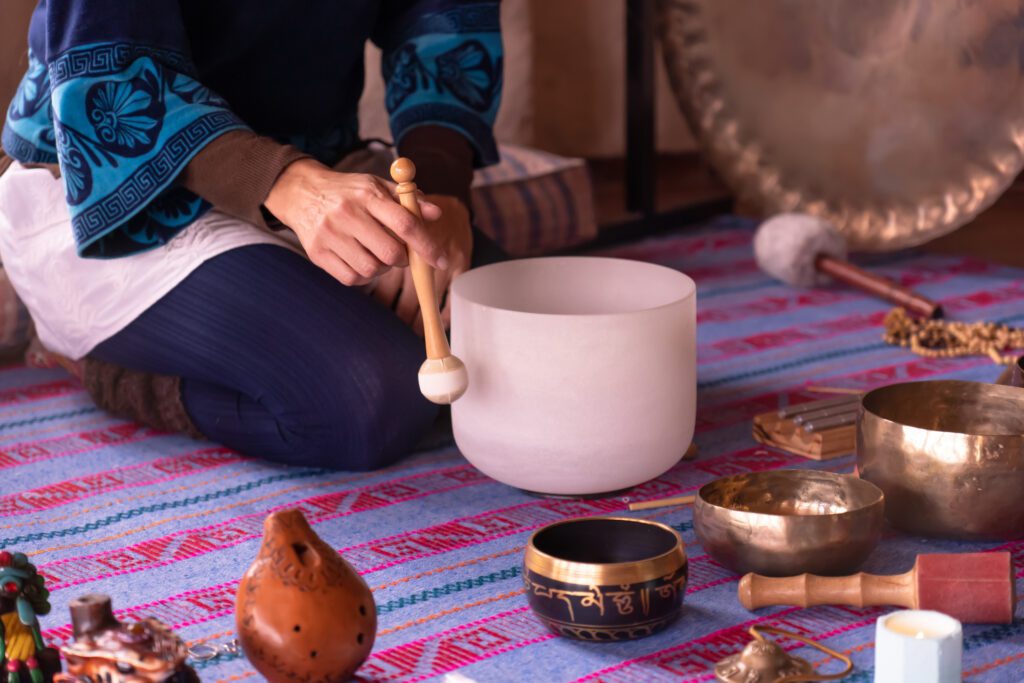
Many people believe all sound therapies offer the same experience, but this isn’t true. Sound therapies are incredibly diverse, each with unique sounds and benefits.
Understanding Different Sound Therapies
- Singing Bowls (110–660 Hz): Perfect for deep relaxation and grief processing in 45-minute sessions.
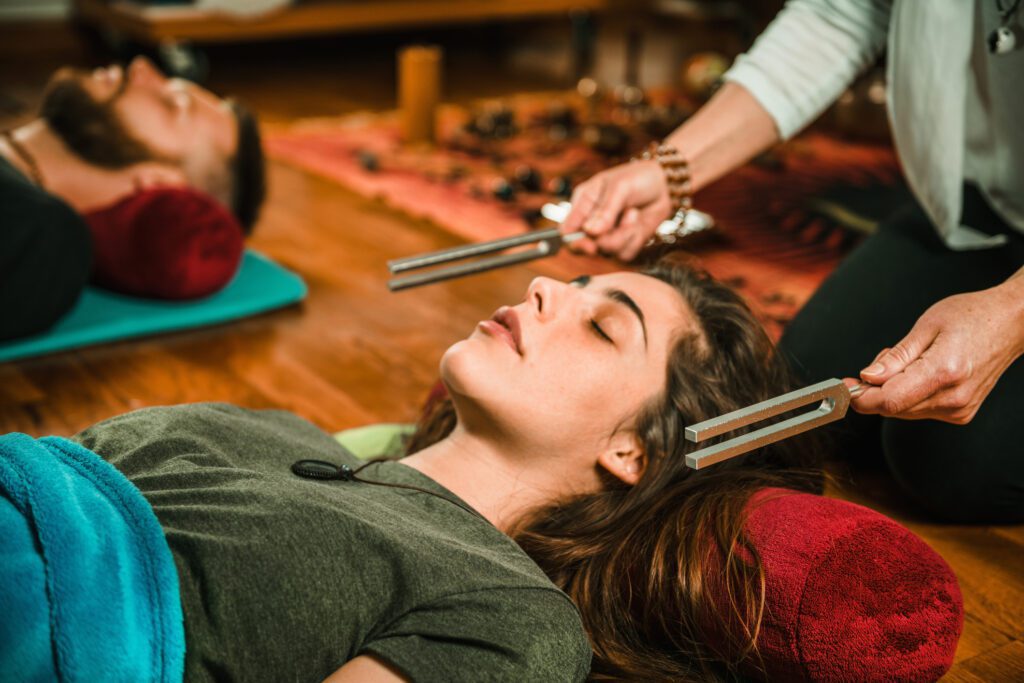
- Tuning Forks (64–528 Hz): Used for targeted relief from joint pain and meridian balancing in shorter sessions.
- Gong Baths (10–120 Hz plus overtones): Help with nervous system reboot and trauma discharge over 60 minutes.
Personalized Sessions for Your Best Experience
Personalization is key for effective sound healing, especially for trauma survivors who might be sensitive to certain sounds.
To ensure your optimal session:
- Share your sensory preferences: Let us know what sounds feel good to you.
- Start with brief experiences: If you’re new to sound therapy or have sensitivities, we can begin with shorter sessions.
- Combine sound with somatic check-ins: Pay attention to how your body responds during the session for a deeper healing experience.
Myth Three: Sound Healing Lacks Scientific Support
Contrary to skepticism, robust research validates sound healing’s benefits.
Research & Clinical Recognition
- Memory Improvement for PTSD: A 2025 NIH-funded study showed that 20 minutes of 40 Hz vibro-acoustic stimulation improved memory consolidation in PTSD patients.
- Reduced Stress Response: Stanford researchers reported a 37% reduction in sympathetic arousal after exposure to 432 Hz tones.
- Recognized Adjunct Treatment: Sound therapy is recognized in audiology journals as an adjunct treatment for tinnitus and anxiety.
Empowering Your Understanding
- Educational Resources: Sound Arts Healing offers educational resources that blend clinical insights with accessible guides.
- Understanding the Science: We help clients understand the science behind frequencies and brainwave entrainment, empowering them to make informed choices about their healing journey.
Myth Four: Sound Healing Cannot Help Trauma or Attachment Injuries
Trauma is stored in the body as well as the mind. Vibrational sound, especially through sound baths, moves through fascia, loosening defensive bracing and promoting interoceptive safety.
Rhythmic drumming around 4 Hz can mimic a regulated heartbeat, fostering co-regulation for those with attachment challenges. Many clients reach ventral vagal states faster, improving emotional regulation and social connection. Group sound circles foster collective resonance, reducing the isolation commonly experienced by trauma survivors. At Sound Arts Healing, sessions begin with grounding and consent, ensuring safety and support.

Myth Five: Sound Healing is a One-Size-Fits-All
No single therapy, including sound healing, addresses every aspect of complex trauma. Effective recovery integrates multiple elements: somatic therapy for body awareness, Ketamine-Assisted Therapy (KAT) for neuroplasticity, and group integration for habit change. To optimize results, clients are encouraged to track sensations after sessions, combine sound baths with movement or breathwork, and review progress regularly. Sound Arts Healing tailors care, adjusting exposure, timing, and group participation to support individual progress.
Myth Six: Sound Healing Is Only for the Spiritually Inclined
Sound healing is accessible to everyone, not just those with spiritual beliefs. People from diverse backgrounds—veterans, professionals, and parents—attend sessions seeking relief from chronic stress. Sessions are grounded in evidence-based practices, needing only an open mind. Affordable community circles and sliding scales expand access, especially in diverse communities. Newcomers are encouraged to hydrate, wear comfortable clothing, and observe before participating.
Myth Seven: Lasting Change Is Impossible with Sound Healing
While one session cannot erase years of conditioning, regular sound healing combined with integration supports lasting change. Studies show that 12-week vibro-acoustic programs reduced depressive symptoms by 48%, with heart rate variability improvements lasting six months. Sustainable practice involves committing to multiple sessions, incorporating mindful activities like walking or journaling post-session, and participating in alumni circles for accountability. Sound Arts Healing helps clients integrate these practices for meaningful, long-term transformation.
Key Trends
The global sound therapy market is projected to grow from USD 2.82 billion in 2025 to USD 5.08 billion by 2033, with a CAGR of 7.62 percent. The U.S. meditation market, closely related to sound healing, is also expanding, with 36 million Americans meditating and fueling a $2.4 billion industry. These trends indicate a sustained interest in holistic wellness approaches.
Market Forecasts
The North American sound healing market is expected to reach USD 3.32 billion by 2035, growing at a CAGR of around 9.6 percent between 2025 and 2035. The European market is projected to reach USD 2.58 billion by 2035, with a CAGR of 9.4 percent for the same period. Such growth underscores the increasing adoption of sound therapy worldwide.
Critical Data Points
The global sound therapy market was valued at approximately USD 0.32 billion in 2024 and is expected to reach USD 0.34 billion in 2025, progressing to USD 0.64 billion by 2033 with a CAGR of 7.2 percent. The global sound healing market is projected to reach USD 8.68 billion by 2035, growing at a CAGR of 9.5 percent. These statistics reflect the rising demand and recognition of sound healing’s benefits.
The Sound Arts Healing Edge
Sound Arts Healing stands out by integrating KAT, sound, and somatic sessions in one location with coordinated teams. Customized instrument palettes ensure frequencies align with each client’s trauma history and sensory profile. Community healing circles offer peer support, while evidence-aligned protocols map sessions to the latest neuroscience. Prospective clients should verify practitioner credentials, craftsmanship, and the flexibility of available programs to ensure the best fit.
Embracing Sound Healing for True Transformation
Dispelling these myths reveals that sound healing is an evidence-based, versatile practice with benefits ranging from cortisol reduction to enhanced neuroplasticity. Whether you seek relief from trauma, attachment issues, or simply want to build resilience, holistic sound therapy offers a research-supported path. Begin your journey with curiosity, set clear goals, and choose a trauma-informed team like Sound Arts Healing, where somatic therapy, KAT, and community support come together for compassionate care.

The Path Forward with Sound Healing
Sound healing is a credible, scientifically supported path for emotional well-being and trauma recovery. By understanding its true capabilities and integrating it with other therapies, you can achieve lasting transformation. Explore the benefits, make informed choices, and embrace the support offered by Sound Arts Healing. Your healing journey awaits.
References